Yard Decoration Decadgarden: How to Build a Rich, Layered Look at Any Budget
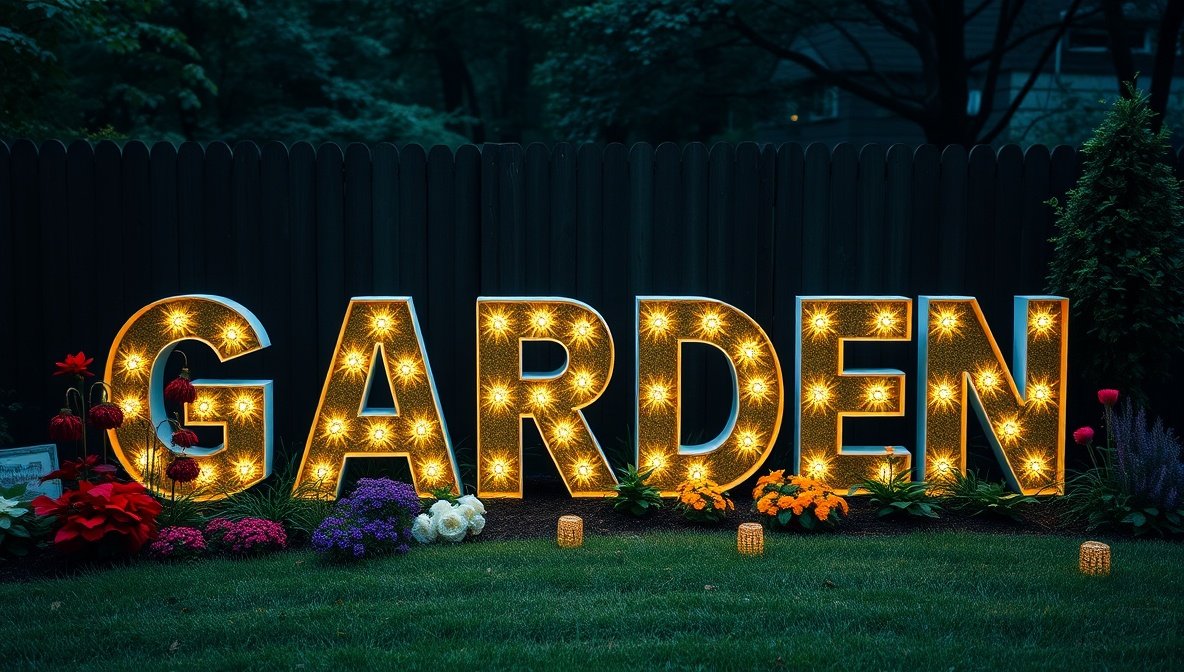
Most guides on yard decoration decadgarden stop at “add some flowers and a few lights.” That advice doesn’t tell you what to buy, where to put it, what it costs or whether it survives a Minnesota winter. This guide fills those gaps with specific numbers, placement rules and trade-offs for US yards. You’ll get budget tiers, lighting comparisons, plant picks by hardiness zone and a weekend plan you can follow.
Price ranges below are typical US retail figures. They shift by region, season and retailer, so treat them as planning estimates, not quotes.
What Yard Decoration Decadgarden Actually Means
“Decadgarden” isn’t an industry term. It reads as a blend of “decadent garden” and “deco garden.” In practice, yard decoration decadgarden describes an outdoor space that feels abundant, layered and deliberate: deep colors, rich textures, soft evening light and a few statement pieces. It isn’t about spending the most money. A $300 yard can look more luxurious than a $3,000 one if the choices are coordinated. backyard hacks decadgarden
The Five Traits of a Decadent Yard
- Deep, saturated color. Burgundy, plum, forest green and charcoal read as richer than pastel or primary colors.
- Layered planting. Tall, medium and low plants overlap so no soil shows.
- Texture contrast. Smooth stone next to rough bark, glossy leaves next to feathery grasses.
- Warm, low lighting. Pools of soft light, not floodlights.
- A few strong focal points. One urn, one water feature or one sculptural tree per area.
Decadent vs. Cluttered
The difference comes down to editing. A decadent yard repeats a small set of materials and colors. A cluttered yard collects unrelated items.
| Decadent | Cluttered |
|---|---|
| 3 materials repeated across the yard | 8 or more unrelated materials |
| One focal point per zone | Decorations competing in every corner |
| Matching planter colors or finishes | Mixed colors and sizes with no pattern |
| Light placed to highlight features | Lights spaced evenly along every edge |
| Empty space left around statement pieces | Every surface filled |
Plan Before You Buy Anything
Skipping the planning step is the most common budget leak. People buy decorations first, then hunt for places to put them.
Measure and Divide Into Zones
Sketch your yard on graph paper. Mark the house, fences, trees, sun exposure and where you actually spend time. Then divide it into zones:
- Entry zone: front walkway, porch and mailbox area
- Sitting zone: patio, deck or a bench corner
- Transition zone: paths and borders connecting areas
- View zone: what you see from your kitchen or living room window
Spend most of your budget on the view zone and the entry zone. Those are the areas you and your visitors see most.
One Focal Point Per Zone
Each zone gets a single hero item. Examples: a large glazed urn at the entry, a fire bowl in the sitting zone, a Japanese maple in the view zone. Everything else in that zone supports the hero. It shouldn’t compete with it.
The Rule of Three Materials
Pick three materials and repeat them. A workable combination is black metal, natural stone and weathered wood. Repeating them makes mismatched purchases look coordinated, and it makes yard decoration decadgarden projects feel intentional rather than accidental.
Yard Decoration Decadgarden Ideas by Budget
Here is what a realistic spend looks like at each level, and what to prioritize.
| Budget | Best Use of Money | Skip for Now |
|---|---|---|
| Under $100 | Solar path lights, 2 to 3 large plants in matching pots, mulch | Statues, water features |
| $100 to $500 | Low-voltage lighting starter kit, 2 to 4 quality planters, a bench or bistro set, a trellis | Custom stonework |
| $500 to $2,000+ | Hardscape (pavers, gravel paths), a water feature, a pergola or arbor, professional lighting design | Cheap resin ornaments |
Under $100: Color and Light First
At this level, avoid buying many small items. One large container looks better than five tiny ones.
- Buy two or three large pots in the same finish. Oversized pots look more expensive than small ones.
- Fill them with a “thriller, filler, spiller” combination: one tall plant, one mounding plant and one trailing plant.
- Add a pack of solar path lights, typically $20 to $40 for a set. Choose warm white, not cool white.
- Spread a 2 to 3 inch layer of dark mulch to unify the beds.
- Use spray paint made for outdoor use to refresh a worn bench or old planters in a single deep color.
$100 to $500: Build the Bones
This is where yard decoration decadgarden starts to look finished, because you can add structure.
- A low-voltage lighting starter kit, often $100 to $300, gives you consistent, dimmable light.
- A trellis or obelisk, $30 to $120, adds vertical interest and supports climbing plants like clematis.
- A bistro set or a bench creates a reason to be in the yard.
- Two or three glazed ceramic or fiberglass planters, $40 to $150 each, serve as anchors at the entry or patio.
- A gazing ball is a classic accent. The 12-inch size is the most common, and it works best on a stand surrounded by foliage.
$500 to $2,000+: Add Permanence
Larger budgets should go to items that last and improve the structure of the yard.
- Pavers or gravel paths define circulation and make planting beds look intentional.
- A recirculating water feature adds sound, which masks street noise. Self-contained units cost less than ponds.
- A pergola or arbor creates a ceiling, and a ceiling makes a space feel like a room.
- A landscape lighting design with 3 to 4 lighting techniques (uplighting, downlighting, path lighting, accent lighting) separates a professional look from a DIY look.
- A mature specimen tree, such as a Japanese maple in zones where it is hardy, can serve as the single biggest focal point.
Lighting: The Fastest Way to Look Expensive
Lighting changes how the yard reads at night more than any other single decision. Harsh or overly bright light flattens the look. Warm, directional light adds depth.
Solar vs. Low-Voltage vs. Plug-In
| Type | Typical Cost | Pros | Cons |
|---|---|---|---|
| Solar stake lights | $20 to $60 per set | No wiring, easy to move | Dim, inconsistent in shade or winter |
| Low-voltage (12V) kit | $100 to $300 plus fixtures | Consistent brightness, expandable | Needs an outlet and some cable burying |
| Plug-in string lights | $25 to $100 | Instant ambiance, good for patios | Limited reach, need weather-rated cords |
| Line-voltage fixtures | Varies, professional install | Very bright, durable | Costly, needs an electrician |
Placement Techniques That Work
- Uplighting: Aim a light up at the trunk of a tree. This creates drama and depth.
- Path lighting: Space lights about 6 to 8 feet apart, staggered on both sides, so you get pools of light instead of a runway.
- Downlighting: Mount a light in a tree or on a pergola to mimic moonlight.
- Accent lighting: Highlight a single urn, sculpture or textured wall.
- Hide the source: Position fixtures behind plants or stones so you see the glow, not the bulb.
Choose warm white, roughly 2700K, for most areas. It feels inviting and flatters foliage.
Plants and Materials by USDA Zone
A plant that thrives in Georgia may die in Wisconsin. Find your zone on the USDA Plant Hardiness Zone Map, then confirm hardiness on each plant tag. Plant breeding changes quickly, so verify specific cultivars before buying.
| Zone Range | Example Regions | Deep-Color or Texture Plant Ideas |
|---|---|---|
| Zones 3 to 5 | Upper Midwest, northern New England, Mountain West | Panicle hydrangea, coral bells (Heuchera), clematis, sedum |
| Zones 6 to 7 | Mid-Atlantic, Ohio Valley, parts of the Pacific Northwest | Smoke bush (Cotinus), Japanese maple, Miscanthus grasses, hellebores |
| Zones 8 to 10 | Gulf Coast, Southeast, California, Southwest | Elephant ear (Colocasia), canna, bougainvillea (warmer parts), ferns |
Building the Layers
- Back layer: Tall shrubs or small trees for structure and privacy.
- Middle layer: Flowering perennials and ornamental grasses.
- Front layer: Low groundcovers, edging plants and trailing container plants.
- Vertical layer: Vines on trellises, arbors or fences.
Climate Notes Beyond Zone
- Hot and dry regions: Use gravel, drought-tolerant plants and terracotta. Avoid dark metal furniture that burns skin in direct sun.
- Humid regions: Choose rot-resistant materials like powder-coated aluminum and teak.
- Freeze-thaw regions: Select frost-proof planters. Terracotta that isn’t rated for freezing can crack.
- Windy sites: Anchor lightweight decor and avoid tall, thin sculptures without a base.
Hardscape, Furniture and Ornaments
Ornaments should support the design, not carry it. The garden ornament tradition goes back to Roman gardens and Renaissance formal design, and the same principles still apply: symmetry, repetition and restraint.
Statement Pieces That Earn Their Space
- Urns and large planters: Pair two at an entry for symmetry.
- Gazing balls: Reflective spheres on stands add sparkle. They work best placed among plants.
- Benches and seating: Place a bench where there is a view, not against a blank fence.
- Water features: Even a small bubbling urn adds sound and movement.
- Wall art and mirrors: Useful on blank fences, with some safety caveats below.
Using Garden Mirrors Safely
Mirrors can make a small yard feel larger by reflecting light and foliage. Follow these rules:
- Never aim a mirror so it concentrates sunlight on plants, wood or siding. Reflected sun can scorch leaves.
- Avoid curved or concave mirrors for this reason.
- Partly screen the edges with plants, so birds recognize it as something other than open sky.
- Use mirrors made for outdoor use. Standard glass mirrors deteriorate in moisture.
HOA, Safety and Rental Rules
Many US yards come with rules. Check before you build.
HOA and Local Rules Checklist
- Maximum height for fences, arbors and structures
- Approved paint colors or materials
- Rules on visible items such as statues, flags and holiday lights
- Lighting restrictions, including brightness and shutoff times
- Setback rules for structures near property lines
- Permit requirements for electrical work or water features
Get approvals in writing, especially for anything permanent.
Safety Considerations
- Pets and children: Some common garden plants are toxic if eaten, such as certain lilies and sago palms. Check the ASPCA toxic plant list before planting.
- Stability: Tall urns, statues and trellises need firm bases or anchors.
- Electrical: Use outdoor-rated, GFCI-protected outlets for plug-in lighting and pumps.
- Slip risk: Water features and moss can make paths slick.
Rental-Friendly Options
If you rent, favor items you can take with you:
- Container gardens instead of in-ground beds
- Solar lights and stake lights
- Freestanding trellises and obelisks
- Outdoor rugs and portable furniture
- Hanging planters that attach with removable hooks, where allowed
Maintenance and Weatherproofing
Decoration that fails in one season wastes money. Match materials to your climate and plan for upkeep.
| Material | Strength | Weakness | Care Tip |
|---|---|---|---|
| Powder-coated aluminum | Rust-proof, lightweight | Can fade over time | Wash with mild soap yearly |
| Wrought iron | Classic look, sturdy | Rusts if finish chips | Touch up chips with rust-inhibiting paint |
| Teak and cedar | Naturally weather-resistant | Silvers without sealing | Reseal annually if you want to keep the color |
| Glazed ceramic | Rich color, durable | Can crack in hard freezes | Empty and store or cover in winter in cold zones |
| Resin and fiberglass | Light, frost-proof | Cheaper versions look plastic | Choose matte, textured finishes |
| Natural stone | Long-lasting | Heavy, expensive | Seal porous types |
Seasonal Maintenance Calendar
- Spring: Clean fixtures, replace solar batteries, refresh mulch.
- Summer: Water containers frequently, since pots dry out faster than beds.
- Fall: Clean out annuals, bring in tender plants, store breakable items.
- Winter: Protect containers, check for frost damage, plan next year’s changes.
Common Mistakes in Yard Decoration Decadgarden Projects
Avoid these errors, which are the usual reasons a yard looks dull, cluttered or cheap:
- Buying small, scattered items. Group items and scale up.
- Cool white lighting. It looks clinical. Choose warm white.
- Ignoring the view from inside. Design for what you see from windows.
- Skipping the winter look. Include evergreens, structure and lighting for the months when plants are dormant.
- Mixing too many colors. Limit yourself to two or three main colors plus green.
- Placing everything at the same height. Vary heights with plants, pots on stands and trellises.
- Forgetting maintenance. A decadent look falls apart quickly if plants are overgrown or fixtures are dirty.
- Buying before measuring. Check dimensions and clearances before purchasing furniture or planters.
Seasonal Swaps That Keep the Yard Fresh
You don’t have to redecorate the whole yard each season. Swap a few elements.
| Season | Quick Swaps |
|---|---|
| Spring | Fresh flowering annuals in the main planters, light mulch refresh |
| Summer | Heat-tolerant container plants, shade sails or umbrellas, string lights |
| Fall | Ornamental cabbage and kale, mums, grasses, warm outdoor lighting |
| Winter | Evergreen boughs in urns, weather-rated lights, bold berry branches |
Keep holiday decor consistent with your three-material rule so it blends into the yard rather than overwhelming it.
A Weekend Plan to Get Started
Use this order of operations for a first pass at yard decoration decadgarden.
- Friday evening: Sketch the yard, mark zones and photograph the view from inside.
- Saturday morning: Clean up. Remove dead plants, weed beds and edge the lawn.
- Saturday midday: Buy or move containers and place them in position before planting.
- Saturday afternoon: Plant containers and beds, working from tall to short.
- Saturday evening: Mulch, then install lighting.
- Sunday morning: Add furniture and one focal piece per zone.
- Sunday evening: Walk the yard at dusk. Adjust light angles and remove anything that looks out of place.
Frequently Asked Questions
What is yard decoration decadgarden?
It is a rich, layered outdoor style built on deep colors, texture, warm lighting and a few statement pieces. It isn’t a formal design term.
How much does a decadent yard makeover cost?
Basic upgrades can start under $100. A fuller transformation with hardscape, lighting and plants commonly runs $500 to $2,000 or more.
What is the best lighting color for a garden?
Warm white, around 2700K, flatters plants and feels inviting. Cool white lighting often looks harsh outdoors.
Can I do this in a small yard?
Yes. Use vertical elements, large containers and a single focal point per area. Fewer, larger items work better than many small ones.
Which plants give a deep, rich look?
Burgundy coral bells, smoke bush, Japanese maple and dark foliage grasses all read as rich. Verify hardiness for your USDA zone first.
Do I need permission from my HOA?
Often, yes, for structures, fences and some visible decor. Check your HOA guidelines and local codes before building.
What decor lasts through harsh winters?
Powder-coated aluminum, teak, fiberglass and natural stone hold up well. Unrated terracotta can crack in freezing weather.
Are garden mirrors safe to use?
They can be if placed carefully. Avoid focusing sunlight on plants or structures, and partially cover the edges so birds don’t mistake them for open space.
How do I make cheap decor look expensive?
Keep to one finish or color family, use larger items, add warm lighting and group pieces in odd numbers.
Final Thoughts
A strong yard decoration decadgarden approach rests on restraint, not volume. Pick three materials, give each zone one focal point, light the yard in warm tones and choose plants that suit your climate. Start small, follow the weekend plan and add one meaningful upgrade each season. Done this way, yard decoration decadgarden stays affordable, holds up through the weather and looks deliberate from every angle.

Contributor at GMRRmulator, covering emulation, retro gaming, and gadget how-tos.